
Fixed price versus taximeter
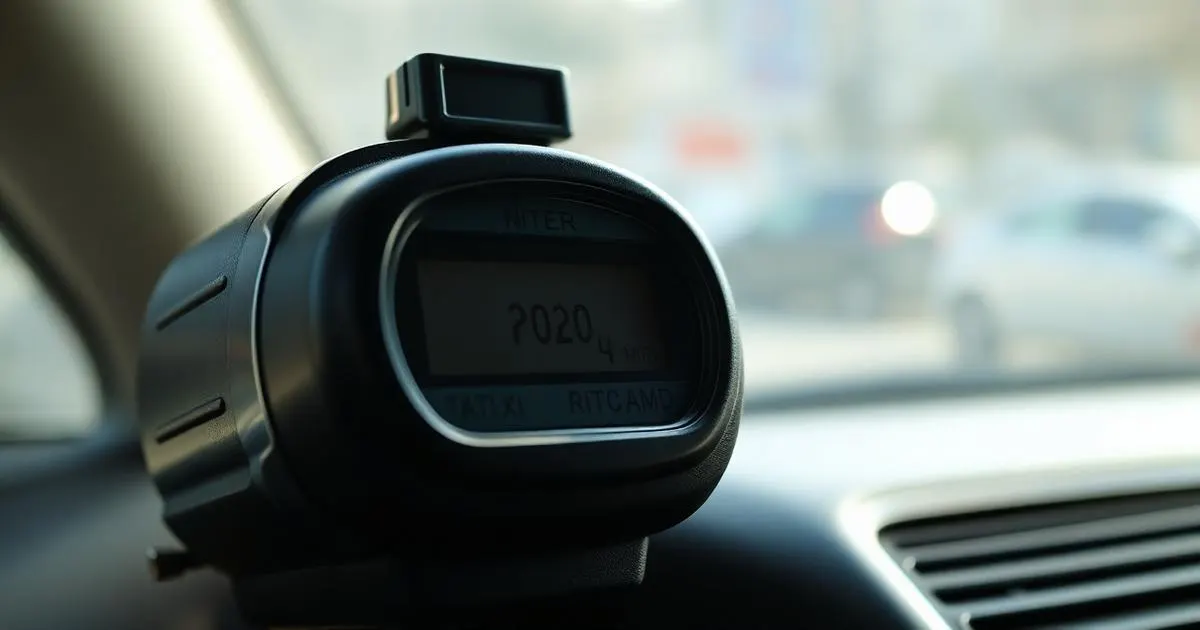
A Dutch metered taxi charges a starting fare plus an amount per kilometre and per minute, within legal maximum tariffs. It is a fair system for the driver, because it pays for time as well as distance. For the passenger, it means the final amount only becomes clear at the end of the ride. A fixed price flips that around: the amount is agreed before departure, and the risk of traffic or a diversion moves to us.
How a meter is built up
- A starting fare charged as soon as the ride begins.
- A rate per kilometre driven.
- A rate per minute, which keeps running when the car is stationary.
- Maximum tariffs set by law; operators may charge less.
- The total is only known when the ride ends.
What makes a metered ride unpredictable
- Congestion, roadworks and diversions add minutes and kilometres.
- Rush hour on the same route can cost noticeably more than at midnight.
- An unfamiliar route makes it hard to judge whether the total is reasonable.
- Waiting at a pick-up counts as time on the meter.
What a fixed price changes
With a price agreed in advance, you decide before you travel whether the amount is acceptable, and traffic becomes our problem rather than yours. The driver knows what the ride pays and does not gain from a longer route.
It also makes budgeting and expense claims straightforward: one amount, one invoice, no meter reading to explain to your finance department.
Which suits which journey
| Journey | Usually better |
|---|---|
| Short spontaneous city hop | Metered taxi at a rank |
| Airport transfer | Fixed price |
| Long-distance journey between cities | Fixed price |
| Travel during rush hour | Fixed price |
| Group with luggage | Fixed price |
| Business trip that must be invoiced | Fixed price |
How booking a taxi with Taxiritje.nl works
Prices are based on the actual road distance in kilometres between your pickup address and your destination, so you always know the amount before you book. Payment is online by card or iDEAL, and you receive a confirmation by email with the driver details, the pickup time and an invoice with VAT for business trips.
You book online in a few steps. Enter your pickup address with house number and postcode, add your destination and choose the date and time. The price you see is the price you pay: it already includes luggage, tolls, parking at the airport and waiting time, so there is no meter running during the journey and no surcharge at night or at the weekend.
Reservations are possible up to three hours before pickup, and you can book a one-way trip or a return in the same booking. For flights you enter your flight number; we then follow the actual landing time and include up to 80 minutes of free waiting time at the airport. For a pickup at a home or hotel address we include 15 minutes.
- Fixed price per journey, confirmed by email before the driver is assigned.
- Sedan or estate car for 1-4 passengers, minibus for 5-8 passengers.
- Extra stops along the way can be added while booking.
- Changes and cancellations online up to 24 hours before pickup; call 085 060 7086 within 24 hours.
Frequently asked questions
Are Dutch taxi prices regulated?
Does a fixed price change if there is a traffic jam?
What if I change the route during the ride?
Read more and arrange your trip
About the author
Taxiritje.nl editorial team · Planning and customer service
The editorial team consists of staff from planning and customer service at Taxiritje.nl. They write based on the rides scheduled every day and the questions customers ask about departure times, luggage, prices and bookings.
Related articles
- How much does a taxi to Schiphol cost from South Holland? — Compare your options
- Is a taxi cheaper if you travel with multiple passengers? — Compare your options
- Is a Fixed Taxi Price Better Than a Taximeter? — Compare your options
Book a taxi at a fixed price
Choose your route, see the price straight away and complete your booking online.